
Exploring the Effectiveness of Smoking Cessation Methods
In recent years, the battle against smoking has seen the introduction of diverse tools aimed at helping adults quit this addictive habit. Among these, electronic cigarettes and varenicline have emerged as popular options, each promising significant success in aiding smoking cessation. This article delves into how these strategies measure up against each other, considering various factors such as effectiveness, safety, and user preference in the journey to becoming smoke-free.
Firstly, it’s pivotal to understand how electronic cigarettes, often referred to as e-cigarettes, function. E-cigarettes are devices that heat a liquid solution containing nicotine and other chemicals, turning it into vapor, which users then inhale. Many adults find the sensation similar to smoking a traditional cigarette, which can alleviate cravings and withdrawal symptoms. Studies have suggested that e-cigarettes may double an individual’s chances of quitting compared to other nicotine replacement therapies. The success of e-cigarettes in smoking cessation lies in their ability to mimic smoking rituals, which many find hard to let go.
On the other hand, varenicline is a prescription medication explicitly designed to aid smoking cessation. It works by targeting nicotinic receptors in the brain, thus reducing cravings and withdrawal symptoms while decreasing the pleasure derived from smoking. Clinical trials have demonstrated that varenicline can increase the likelihood of quitting smoking, with a higher success rate compared to placebo and other cessation aids. However, varenicline requires medical consultation for its use, presenting both an advantage due to professional guidance and a potential barrier due to accessibility.
Comparing Safety and Side Effects
One significant concern for adults seeking smoking cessation options is safety. E-cigarettes offer a safer alternative to tobacco smoking by eliminating combustion effects, which releases toxic substances. However, the long-term impact of inhaling vaporized nicotine remains under scrutiny, with potential respiratory and cardiovascular risks. Varenicline, while effective, may cause side effects including nausea, vivid dreams, and mood changes. These must be weighed against the medication’s benefits and discussed with healthcare providers.
In terms of user preference, many adults opt for e-cigarettes due to their accessibility and ability to adjust nicotine intake. The sensory experience and ritualistic aspect play a significant role in their preference. Yet, others may choose varenicline for its structured regimen under medical supervision, offering a more controlled approach to quitting.
Considering Lifestyle and Support
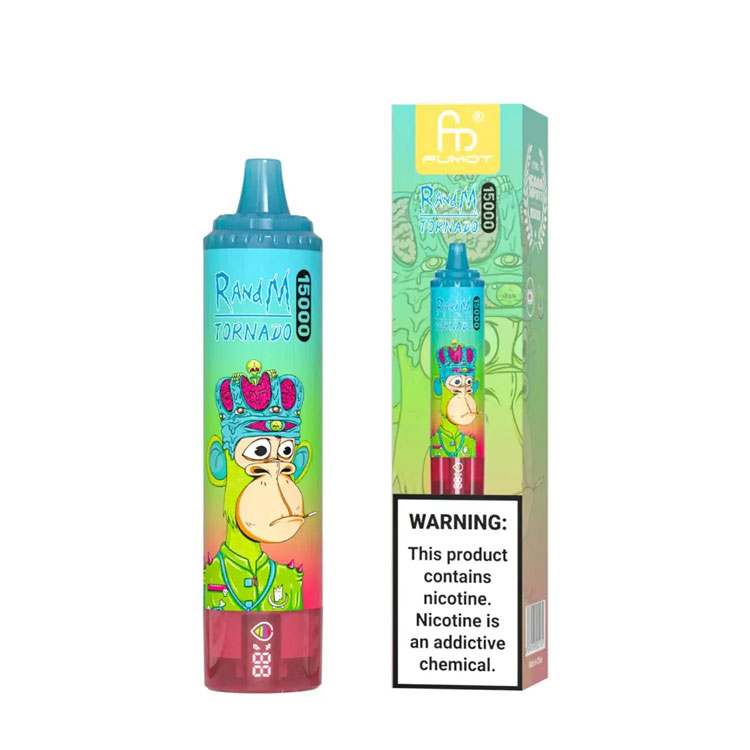
Ultimately, the choice between electronic cigarettes and varenicline for smoking cessation should take into account lifestyle and support systems available to the individual. Those who thrive on social interactions and peer support may benefit from engaging in e-cigarette communities and forums. Meanwhile, individuals preferring a medically supervised approach may find varenicline coupled with counseling sessions more aligned with their cessation goals.
Incorporating behavioral support alongside these methods can significantly enhance success rates. Evidence suggests that combining psychosocial interventions, such as cognitive-behavioral therapy, with pharmacological aids can optimize outcomes and sustain long-term abstinence from smoking.
FAQs About Smoking Cessation
Q: How long should one use varenicline for quitting smoking?
A: Typically, varenicline is used for 12 weeks, but a healthcare provider might extend its use if deemed beneficial.

Q: Are electronic cigarettes more effective than nicotine patches?
A: Some studies indicate e-cigarettes may offer higher success rates due to their ability to simulate smoking behavior, though further research is needed.
Q: Can e-cigarettes be used with varenicline?
A: While combining both methods may enhance success, it’s essential to seek medical advice to assess appropriateness and safety.