In recent years, e-cigarettes have become a subject of intense debate regarding their effects on public health. These electronic devices, which simulate the sensation of smoking, have been marketed as a safer alternative to traditional cigarettes. But how has the rise of e-cigarettes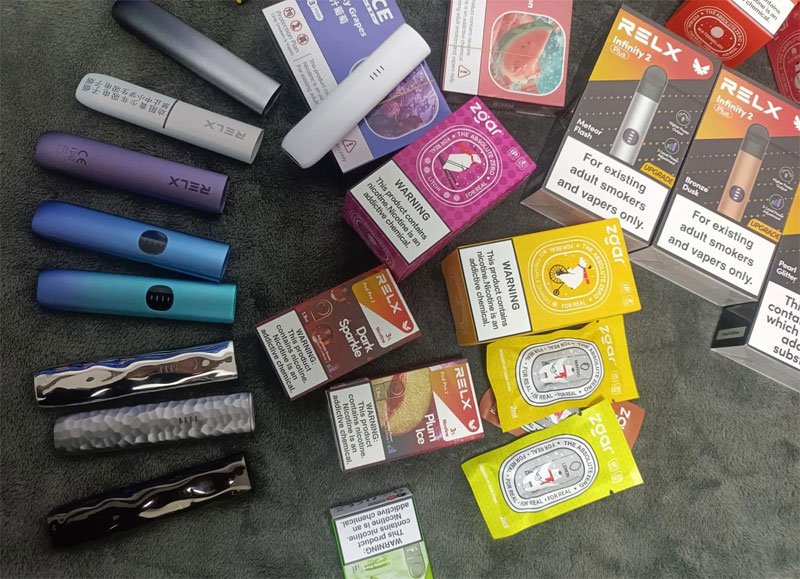 influenced health outcomes globally? Specifically, how many people have experienced adverse effects or even died due to these devices?
Initially, e-cigarettes were seen as a breakthrough for smokers looking to quit. Unlike traditional smoking, these rely on vaporizing liquid containing nicotine and flavorings. Advocates hailed them as a crucial tool for harm reduction in smoking.
However, with their increasing popularity came mounting concerns. Reports surfaced about potential health risks associated with the chemicals used in e-cigarettes and unexpected injuries from defective devices.
Between 2019 and 2020, the world witnessed a sharp rise in the cases of EVALI, short for ‘e-cigarette or vaping use-associated lung injury.’ The outbreak, primarily in the United States, highlighted the dangers lurking behind a seemingly innocuous device. The Centers for Disease Control and Prevention (CDC) documented over 2,800 hospitalizations and 68 deaths linked to this condition, shining a harsh light on the safety of e-cigarettes.
Dissecting the Role of THC
Many of the EVALI cases were linked to vaping products containing THC, often sourced from informal suppliers. This discovery underscored the importance of regulation and consumer awareness in the realm of e-cigarettes. While nicotine vapes continue to dominate the market, THC products introduce a different set of risks.
Global Perspective
Globally, the statistics vary. Countries with robust regulatory frameworks have reported fewer adverse outcomes. Yet, loose regulations in many regions have allowed unsafe products to proliferate. It remains challenging to determine the exact number of deaths worldwide due to e-cigarettes, considering varying levels of data availability and reporting standards.
What’s the verdict? E-cigarettes might have a place in smoking cessation strategies, yet they are not without risks. Adverse outcomes, while significant, remain relatively rare compared to the harms of traditional tobacco use. Continuous monitoring and research are essential to understanding the full spectrum of implications.
Understanding Marketing and Youth Appeal
One can’t ignore the aggressive marketing strategies aimed at youth. Flavored e-liquids and vibrant packaging have enticed a younger demographic, sometimes leading to nicotine addiction. This aspect of e-cigarette proliferation has drawn criticism and calls for stricter regulations.
“The allure of flavors and the promise of safety, are they blurring the lines between harm reduction and risky behavior?”
Ultimately, recognizing e-cigarettes’ role in public health involves weighing their potential for harm against their utility in assisting smokers to quit.
The discourse will continue as more data comes to light. Meanwhile, users must remain informed, assessing the risks of e-cigarettes carefully before use.
Frequently Asked Questions
- What is EVALI?
- EVALI refers to e-cigarette or vaping use-associated lung injury, primarily caused by unsafe vaping products, particularly those containing THC.
- Are e-cigarettes safer than traditional cigarettes?
- While e-cigarettes expose users to fewer harmful chemicals, they are not entirely devoid of risk, particularly concerning unregulated products.